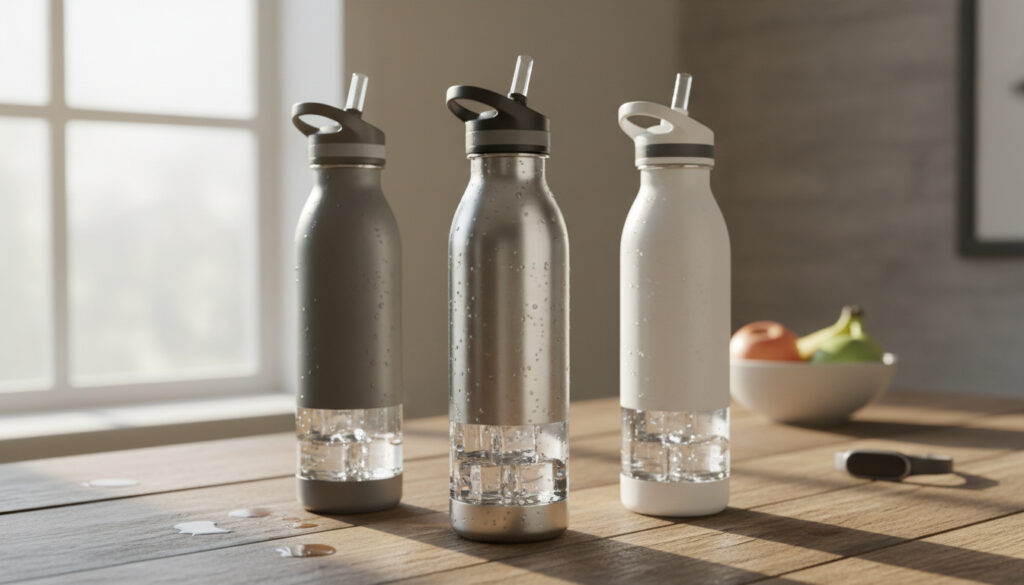
Water Bottle with Straw – Best Insulated Picks Tested
Straw water bottles have evolved from gym-class accessories to daily essentials, with double-wall vacuum insulation and leakproof engineering now standard expectations. The market offers dozens of stainless steel options promising one-handed hydration, yet performance varies dramatically between brands when tested for cold retention, seal integrity, and ease of cleaning.
Recent independent testing reveals significant disparities in build quality and user experience. While premium models deliver exceptional temperature control and spill-proof confidence, budget alternatives often compromise on straw durability and deep-clean accessibility.
What Is the Best Water Bottle with a Straw?
Independent evaluations from 2026 identify distinct leaders across price tiers and use cases. The following grid presents top performers based on laboratory insulation tests, leakproof verification, and ergonomic analysis.
Top Pick
Hydro Flask Wide Mouth with Straw
20 oz tested, double-wall vacuum insulation, leakproof flip-up straw, comfortable carry loop. Best for daily commuting and cup holder compatibility.
Best Budget
Stanley IceFlow Flip Straw
Approximately $32, ergonomic contoured shape, oversized bail handle, effective cold drink straw. Limited to smaller volumes.
Best Insulated
Iron Flask Insulated
Leakproof flip-up straw, carabiner handle, clean taste performance. Indistinguishable from Hydro Flask in cold retention and insulation testing.
Runner-Up
Klean Kanteen TKWide Recycled
Eco-friendly recycled stainless steel, metal straw eliminates plastic taste, durable construction. Silicone mouthpiece may impart initial industrial flavor.
Key Market Insights
- Stainless steel dominates the 2024 market with BPA-free construction standard across premium tiers
- Straw lids require significantly more maintenance than screw-top or chug-cap alternatives
- Twenty-ounce capacities optimize car cup holder compatibility, while 40-ounce models trade portability for hydration volume
- Leakproof certification varies by brand, with only select models passing one-handed operation tests
- Plastic straw components frequently impart flavor to hot liquids and electrolyte drinks
- Double-wall vacuum insulation now delivers 24-hour cold retention in top-tier models
- Recycled stainless steel and metal straw options address growing eco-conscious demand
Technical Specifications Comparison
| Feature | Ideal For | Examples |
|---|---|---|
| Flip-up Straw Lid | One-handed driving, workouts | Hydro Flask Wide Mouth, Stanley IceFlow |
| Metal Straw | Taste purity, hot liquids | Klean Kanteen TKWide |
| 20 oz Capacity | Car cup holders, bike racks | Hydro Flask (tested size) |
| 32-40 oz Capacity | All-day hydration, desk use | Hydro Flask Wide Mouth variants |
| Vacuum Insulation | Cold retention, outdoor use | Hydro Flask, Iron Flask, Stanley |
| Carabiner Handle | Clipping to bags, portability | Iron Flask Insulated |
| Oversized Bail Handle | Comfortable carrying, grip | Stanley IceFlow |
Source data for these evaluations derives from controlled laboratory testing of insulation properties and leakproof verification protocols. Outdoor Gear Lab’s comprehensive analysis subjected bottles to 24-hour temperature retention trials, while GearJunkie’s assessments evaluated ergonomic factors and real-world durability.
Are Straw Water Bottles Better? Pros and Cons
The Hydro Flask Wide Mouth with Straw exemplifies why these designs dominate commuter culture: one-handed operation prevents distracted driving, and the flip-up mechanism allows sipping without tilting the head back. However, convenience comes with trade-offs that impact hygiene, taste, and long-term usability.
Why Choose a Water Bottle with Straw?
Straw-equipped bottles promote consistent hydration through accessibility. The vertical straw position eliminates the need to tilt the bottle, allowing users to maintain visual focus on the road or trail. Ergonomic advantages extend to the drinking motion itself, which requires less jaw movement than wide-mouth chugging and reduces the risk of spillage on clothing or electronics.
Why You Shouldn’t Drink Water with a Straw
Critics cite dental concerns and sanitary issues. While straws reduce contact between acidic beverages and tooth enamel, they offer minimal dental benefits for plain water consumption. More significantly, straw components create hidden crevices where bacteria accumulate, particularly in the deep rubber seals of models like the Stanley IceFlow. Comparative hydration studies indicate that users often neglect these components during routine cleaning.
While straws reduce direct contact between acidic beverages and tooth enamel, the research on plain water consumption remains inconclusive. The primary advantage lies in hydration consistency rather than dental protection.
What to Look for When Buying a Water Bottle with Straw
The Stanley IceFlow Flip Straw demonstrates how ergonomic contouring and handle design influence daily usability, yet material quality and seal engineering matter more than aesthetics for long-term satisfaction. Buyers should prioritize verified leakproof performance over marketing claims.
Are Water Bottles with Straws Leak Proof?
Laboratory testing confirms that premium models with locking flip-up lids prevent leakage during inversion and transport. Hydro Flask and Iron Flask units pass one-handed operation tests where straw lids lock securely into place. However, leakproof guarantees typically apply only to cold liquids; hot beverages create pressure differentials that compromise seal integrity and may force liquid through vent holes.
What Size Water Bottle with Straw Is Best?
Capacity selection depends on portability requirements versus consumption needs. Twenty-ounce slim designs fit standard automotive cup holders and bicycle bottle cages, making them ideal for commuting. Forty-ounce wide-mouth variants suit desk workers or all-day outdoor excursions but require larger holders or side pouch accommodation. Consumer product evaluations suggest matching capacity to specific daily routines rather than purchasing the largest available option.
How to Clean and Maintain a Water Bottle with Straw
Maintenance requirements represent the primary downside of straw-equipped designs. The Hydro Flask straw lid system and similar competitors utilize multiple small components—vent holes, rubber gaskets, and interior straw tubes—that trap moisture and harbor bacteria without rigorous cleaning protocols.
Hydro Flask Straw Lid Compatibility
Hydro Flask wide-mouth bottles accommodate interchangeable lids, including Flex and Chug cap alternatives that eliminate straw components entirely. While the straw lid remains popular for convenience, users may switch to Chug caps when cleaning time is limited or when consuming non-water beverages that stain plastic components.
Deep Cleaning Techniques for Rubber Seals
Stanley IceFlow models contain deep rubber seals that demand complete disassembly for proper hygiene. Standard bottle brushes often fail to reach the narrow crevices where mold accumulates. Owners must utilize pipe cleaners or specialized narrow brushes to extract residue from vent mechanisms and straw joints.
Stanley IceFlow models contain deep rubber seals that trap moisture and require complete disassembly for proper drying. Users report difficulty accessing these crevices without specialized brushes.
Testing organizations recommend using straw bottles exclusively for plain water. Sugary drinks, coffee, and electrolyte mixtures accelerate bacterial growth in straw components and complicate cleaning protocols.
How Has Straw Water Bottle Technology Evolved?
- 2010: Hydro Flask introduces wide-mouth straw lids, establishing the insulated stainless steel standard for outdoor enthusiasts.
- 2015: Double-wall vacuum insulation becomes mainstream, extending cold retention from hours to full days.
- 2020: Pandemic-era sustainability concerns trigger widespread adoption of reusable bottles, with EPA recycling data showing significant decreases in single-use plastic consumption.
- 2023: Stanley Quencher cups achieve viral social media status, normalizing 40-ounce straw bottles as fashion accessories.
- 2024: Manufacturers shift toward recycled stainless steel and metal straw alternatives to address plastic waste concerns.
- 2026: Independent testing confirms advanced leakproof engineering in top-tier models, with one-handed flip mechanisms now standard.
What Do We Know for Certain About Straw Water Bottles?
| Established Information | Information That Remains Unclear |
|---|---|
| Double-wall vacuum insulation effectively maintains cold temperatures for 12-24 hours in stainless steel bottles | Exact lifespan of silicone straw components before degradation occurs |
| BPA-free construction is standard across premium brands listed in 2026 reviews, per FDA food packaging guidelines | Long-term health impacts of daily plastic straw use for hot liquid consumption |
| Leakproof technology has been verified through one-handed operation tests for specific models like Hydro Flask and Iron Flask | Whether metal straws significantly reduce dental staining compared to plastic alternatives |
| Deep rubber seals in Stanley and similar models require specialized cleaning tools | Standardized dishwasher safety across all straw lid components from various manufacturers |
Why Did Straw Water Bottles Become Essential Daily Gear?
The transition from disposable plastic bottles to reusable straw-equipped alternatives accelerated during the 2020s sustainability movement. Consumers sought hydration solutions that combined environmental responsibility with functional convenience, particularly for automotive commuting where one-handed operation prevents distracted driving.
Social media dynamics further transformed these vessels from utilitarian objects to lifestyle signifiers. The Stanley Quencher trend demonstrated how insulated straw bottles could function as both hydration tools and fashion accessories, driving demand for larger capacities and customizable colorways.
Modern designs now address earlier generations’ failings through improved seal engineering and ergonomic handles. The oversized bail handles found on Stanley models and the comfortable carry loops on Hydro Flask designs reflect industrial design evolution based on user feedback regarding portability and grip fatigue.
What Do Expert Tests Reveal?
The Hydro Flask Wide Mouth with Straw delivers excellent insulation and a truly leakproof design, though the plastic straw imparts noticeable flavor when used with hot liquids.
— Outdoor Gear Lab, 2026 Reviews
Stanley’s IceFlow Flip Straw offers an ergonomic contoured shape that fits the hand naturally, but the deep rubber seal presents significant cleaning challenges that may compromise long-term hygiene.
— GearJunkie, Insulated Water Bottle Analysis
Which Water Bottle with Straw Should You Buy?
Select the Hydro Flask Wide Mouth with Straw for premium insulation and verified leakproof performance during daily commutes, or choose the Stanley IceFlow Flip Straw for budget-conscious ergonomics and comfortable handling during outdoor activities. Prioritize metal straw options like the Klean Kanteen TKWide if taste purity concerns outweigh budget constraints, and commit to weekly deep cleaning regardless of brand to prevent seal contamination.
Common Questions About Straw Water Bottles
Is it bad to drink water with a straw?
No major health risks are documented, though consistent straw use may cause bloating from swallowed air. Plastic straws can impart slight flavors to hot liquids, while metal alternatives eliminate this issue but conduct temperature.
Do straw water bottles leak?
Premium models like Hydro Flask and Iron Flask pass rigorous leakproof testing when lids are properly locked. However, cheaper alternatives often fail around straw seals, particularly after repeated disassembly for cleaning.
Can I put hot liquids in a straw water bottle?
Manufacturers recommend cold liquids only for straw bottles. Hot beverages create pressure buildup and plastic straw degradation, plus metal straws conduct heat directly to lips, creating burn risks.
Are metal straws better than plastic?
Metal straws eliminate plastic flavor transfer and address eco-conscious concerns, though they may produce initial metallic tastes or industrial flavors from silicone mouthpieces before thorough washing.
How often should I clean the straw?
Daily rinsing is essential, with deep cleaning of seals and straw components required weekly. Neglecting deep rubber seals in models like the Stanley IceFlow leads to mold accumulation within days.
Do these bottles fit standard car cup holders?
Twenty-ounce slim designs fit universally, while 32-40 ounce wide-mouth variants often require expandable or console-specific holders. Always verify diameter measurements before purchasing for automotive use.
More related posts
 How Many Calories in a Pint of Guinness – The Surprising Truth
 Luton Town FC vs Coventry City FC Standings – H2H Stats, Form & Predictions
 Isle of Wight Donkey Sanctuary – Free Entry, Tours and Visitor Tips
 Lana Del Rey London – Wembley 2025 Tour Guide
 VW Crafter – Guide to Prices, Dimensions and Reliability
 Sky Customer Service Opening Times – Phone, Chat and Best Contact Hours
 Petrol Diesel Tax Hikes – UK Road Tax Changes 2026 Guide
 Cirque du Soleil London – Last Run Dates and Details
