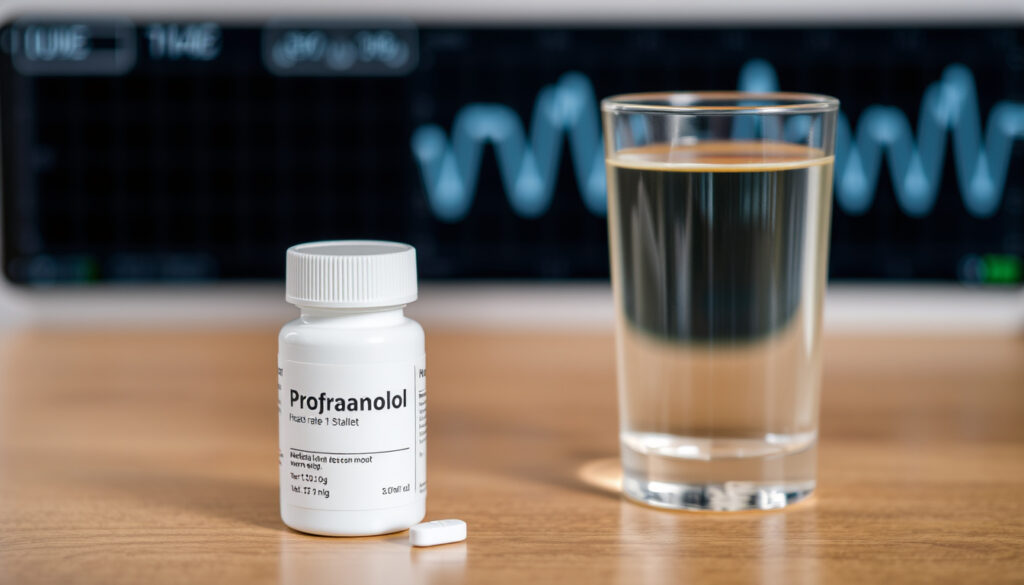
Side Effects of Propranolol – Common Risks and Dosage Guide
Propranolol is a beta-blocker widely prescribed for the physical symptoms of anxiety, including racing heart, trembling, and sweating. While it can be effective for situational or performance anxiety, the medication carries a range of side effects that vary by dosage, duration of use, and individual patient factors. Understanding these side effects before starting treatment is essential for making informed decisions and recognising when medical attention may be needed.
At lower doses such as 10 mg, 20 mg, and 40 mg, side effects are often mild, but they can still be significant for some people, particularly during the initial days of treatment or after a dose increase. The most commonly reported issues include fatigue, dizziness, cold hands and feet, sleep disturbances, and nausea. More serious risks, though less frequent, involve dangerously slow heart rate, low blood pressure, breathing difficulties, and mood changes.
Because propranolol affects the cardiovascular and nervous systems, its side effect profile extends beyond simple discomfort. Patients with certain pre-existing conditions, women who are pregnant or breastfeeding, and people taking the medication long term face additional considerations. This article draws on authoritative sources including the NHS, the Mayo Clinic, and Great Ormond Street Hospital to provide a clear, fact-based overview of the side effects of propranolol.
Side Effects of Propranolol for Anxiety
Propranolol is prescribed for anxiety primarily to control physical symptoms such as palpitations, shaking, and sweating rather than to address the psychological roots of anxiety disorders. The side effects that emerge in this context are closely tied to its mechanism as a beta-blocker, which lowers heart rate and reduces the impact of adrenaline on the body.
Common Side Effects
Fatigue, dizziness, cold hands or feet, sleep changes, and nausea. These are usually temporary and often resolve within the first two weeks.
Serious Side Effects
Bradycardia, bronchospasm, and signs of heart failure such as chest pain or swelling. These require immediate medical assessment.
Long-Term Considerations
Potential for tolerance, withdrawal syndrome if stopped abruptly, and altered metabolism. Regular monitoring by a clinician is advised for extended use.
Special Populations
Women during pregnancy and lactation, children and infants, and the elderly each face distinct risks that require tailored medical guidance.
The following insights summarise the most important patterns observed in clinical use and reported in the medical literature.
- Dizziness and fatigue are the most frequently reported side effects, particularly during the initial phase of treatment or after a dose increase.
- Propranolol can mask the warning signs of hypoglycemia, such as a rapid heart rate, which is especially dangerous for diabetic patients.
- Side effects are generally dose-dependent, with higher doses such as 40 mg or more increasing the likelihood of bradycardia and hypotension.
- In pediatric use, including the treatment of infant hemangiomas, side effects like sleep disturbances and cold extremities are common but typically reversible.
- Some patients report emotional blunting or a feeling of being “flat,” which may be mistaken for depression but stems from the reduction of adrenaline-driven responses.
- Sleep disruption, including vivid dreams and nightmares, occurs in a minority of patients and may be more pronounced at higher doses.
The table below provides a snapshot of the most commonly cited side effects, their approximate frequency, dosage associations, and recommended actions. These figures are based on clinical data from sources such as the NHS and the Mayo Clinic.
| Side Effect | Frequency | Dosage Association | Action |
|---|---|---|---|
| Fatigue | Very common (>10%) | All doses | Often resolves within 1–2 weeks; rest if needed |
| Cold hands or feet | Common (1–10%) | All doses | Usually benign; keep extremities warm |
| Bradycardia (slow heart rate) | Common | Higher doses (40 mg+) | Monitor pulse; contact doctor if below 50 bpm |
| Dizziness or lightheadedness | Very common (>10%) | All doses, especially initial | Avoid sudden standing; usually subsides |
| Nausea or stomach upset | Common (1–10%) | All doses | Take with food; resolves in most cases |
| Bronchospasm | Rare (<1%) | Higher risk in asthmatics | Emergency if breathing difficulty occurs |
| Depression or mood changes | Uncommon | Long-term use | Monitor mood; discontinue if severe under medical advice |
| Sleep disturbances or vivid dreams | Uncommon | All doses, more at higher doses | May improve with time; report if persistent |
Long Term Side Effects of Propranolol
When propranolol is used over extended periods, the side effect profile can shift. While many people tolerate the medication well for months or years, certain effects become more relevant with prolonged use. The medication is typically prescribed for short-term control of anxiety symptoms, but some patients take it longer for indications such as migraine prophylaxis or hypertension.
Persistent Fatigue and Low Energy
Fatigue is among the most consistently reported long-term side effects. Clinical experience suggests that while initial fatigue often fades within the first two weeks, a subset of individuals continues to experience low energy levels throughout treatment. The NHS notes that feeling tired or weak is common as the body adjusts, but if fatigue persists beyond four weeks, a medical review may be warranted.
Mood Changes and Emotional Blunting
Some patients on long-term propranolol describe a sense of emotional flattening or reduced responsiveness to both positive and negative stimuli. This effect is separate from clinical depression, though it can overlap. The reasons are not fully understood but are believed to relate to the blunting of adrenaline-mediated arousal. The PubMed literature includes case reports of mood alterations, but systematic data on prevalence remain limited.
Cardiovascular Effects Over Time
Long-term beta-blockade can lead to sustained bradycardia and lowered blood pressure. For most patients, this is the intended therapeutic effect, but in some cases it becomes excessive. Regular monitoring of heart rate and blood pressure is standard practice for those on extended regimens. The FDA prescribing information recommends caution and periodic assessment in patients with cardiovascular risk factors.
If you have been taking propranolol for more than three months, your doctor may periodically check your heart rate, blood pressure, and mood. Do not stop the medication abruptly, as this can cause a rebound increase in heart rate and blood pressure, along with heightened anxiety symptoms. A gradual tapering plan under medical supervision is the recommended approach.
Propranolol Side Effects in Women
Women can experience propranolol side effects in ways that differ from men due to factors such as body size, hormonal fluctuations, and the demands of pregnancy and breastfeeding. While the core side effect profile is similar across genders, several specific considerations apply to women.
Pregnancy and Fetal Exposure
The use of propranolol during pregnancy requires careful risk-benefit analysis. Some sources state there is no clear evidence that propranolol is harmful in early pregnancy, but authoritative guidance warns that exposure in later pregnancy can affect the baby. Potential effects include a slower heart rate, lower blood pressure, low blood sugar, and breathing difficulties in the newborn. The NHS advises that anyone who becomes pregnant while taking propranolol should seek medical review promptly.
Breastfeeding Considerations
Propranolol passes into breast milk in small amounts. In many cases, breastfeeding may be acceptable, but extra caution is advised for premature infants or babies with feeding difficulties. Signs to watch for in a breastfed infant include unusual sleepiness, poor feeding, restlessness, and a slow heart rate. The Great Ormond Street Hospital (GOSH) guidelines recommend discussing the risks with a healthcare provider before continuing the medication while nursing.
Body Size and Hormonal Factors
No strong evidence suggests that women experience unique side effects solely because of their sex. However, smaller body size can increase sensitivity to the drug, potentially making fatigue and dizziness more pronounced. During pregnancy, postpartum recovery, or periods of anemia, these effects may be harder to tolerate. Clinicians sometimes adjust starting doses downward for smaller individuals to minimise initial side effects.
If you are planning a pregnancy or could become pregnant while taking propranolol, discuss this with your doctor before conception if possible. The risk to the fetus is highest in the later stages of pregnancy, and alternative medications may be considered. Do not stop propranolol abruptly without medical guidance, as withdrawal can cause serious cardiovascular effects.
Side Effects of Propranolol in Babies and Children
Propranolol is used in pediatric medicine for conditions such as infant hemangiomas, certain heart rhythm disorders, and migraine prevention in older children. The side effect profile in this population differs from adults in several important ways.
Exposure During Pregnancy and at Birth
Babies exposed to propranolol in the womb, particularly near delivery, may experience slowed heart rate, low blood pressure, low blood sugar, and breathing problems at birth. These effects are generally transient but require monitoring in the neonatal period. The GOSH guidelines highlight that infants with these exposures should be observed for signs of cardiovascular or respiratory distress.
Side Effects in Breastfed Infants
For infants receiving propranolol through breast milk, symptoms to monitor include excessive sleepiness, poor feeding, irritability, and sluggishness. Premature babies and those with existing feeding problems are at higher risk. Parents are advised to contact a healthcare provider if any of these signs appear.
Side Effects in Children Taking Propranolol Directly
Children who take propranolol themselves may experience sleepiness, unusual dreams, restlessness, trouble sleeping, and decreased appetite. The GOSH resources note that bronchospasm and bradycardia are serious potential side effects in children, especially those with asthma or other respiratory conditions. Dosing in children is carefully weight-based to minimise risks.
If a child taking propranolol shows signs of difficult or noisy breathing, a very slow heart rate, fainting, or extreme drowsiness, seek emergency medical attention immediately. These could indicate bronchospasm, severe bradycardia, or a hypoglycemic episode masked by the medication.
Propranolol Side Effects by Dosage: 10mg, 20mg, 40mg
The severity and likelihood of side effects are closely linked to the dose taken. While individual sensitivity varies, general patterns emerge across the commonly prescribed doses for anxiety.
10 mg Dose
At 10 mg, propranolol is often used as a very low starting dose or for situational anxiety taken as needed. Side effects at this level are typically milder, but some individuals remain sensitive even to small amounts. Possible effects include mild dizziness, slight fatigue, a modest slowing of the pulse, cold hands, and minor sleep changes. This dose is less likely to cause significant bradycardia or hypotension but can still produce noticeable symptoms in people who are medication-naive or have low body weight.
20 mg Dose
The 20 mg dose is commonly used in practice for situational anxiety and is often the first step up from 10 mg. Side effects become more noticeable in sensitive individuals, particularly if the medication is taken on an empty stomach or combined with alcohol or other blood-pressure-lowering drugs. Watch for lightheadedness, weakness, nausea, and a slower pulse. The risk of fainting or near-fainting increases at this dose compared to 10 mg, especially in older adults or those with underlying cardiovascular conditions.
40 mg Dose
At 40 mg, the side effect profile is more pronounced. The NHS notes that propranolol for anxiety is often started at 40 mg once daily and may be increased to 40 mg three times daily if needed. Marked fatigue, lowered blood pressure, bradycardia, sleep disturbance, faintness, and breathing issues are more likely at this dose than at 10 mg or 20 mg. Extra caution is warranted for individuals who are small, older, medically fragile, or have asthma, diabetes, or heart disease.
When Do Propranolol Side Effects Typically Appear?
The timing of side effects after starting propranolol follows a general pattern based on clinical experience. Understanding this timeline can help patients distinguish between temporary adaptation and persistent problems that may require a dose adjustment.
- 1 to 2 days: Dizziness, fatigue, and nausea are most common during the first 48 hours as the body begins to adapt to the medication.
- 1 to 2 weeks: Most common side effects such as fatigue and dizziness begin to subside. Bradycardia may persist but often stabilises at a level that is safe for the individual.
- 2 to 4 weeks: Therapeutic effects for anxiety or migraine prevention become established. Side effects are generally stable by this point, and if they remain bothersome, a dose review may be indicated.
- Months to years: Long-term risks including persistent fatigue, weight changes, mood alterations, and the potential for withdrawal syndrome if the medication is stopped abruptly become relevant. Regular monitoring is recommended.
What Is Known and What Remains Unclear About Propranolol Side Effects
Medical knowledge about propranolol side effects is well established in some areas and less certain in others. The table below separates what is clearly documented from what remains under investigation or uncertain.
| Established Information | Information That Remains Unclear |
|---|---|
| Propranolol causes dose-dependent bradycardia and hypotension, confirmed across multiple large-scale studies and clinical guidelines. | Whether long-term use beyond five years increases dementia risk is not established; current studies are inconclusive. |
| Fatigue and dizziness are common and well-documented, with incidence rates consistently reported across prescribing sources. | The exact prevalence of sexual side effects, including changes in libido, is not well quantified in the literature. |
| Bronchospasm is a serious risk in patients with asthma, and propranolol is contraindicated in those with active bronchospastic disease. | Interaction with hormonal contraception has limited evidence; no strong data exist on altered effectiveness or increased side effects. |
How Propranolol Works and Why Side Effects Occur
Propranolol is a non-selective beta-blocker. It works by blocking the action of adrenaline on beta-adrenergic receptors throughout the body. This reduces heart rate, lowers blood pressure, and diminishes the physical symptoms of anxiety such as trembling, sweating, and palpitations. The same mechanism that produces these therapeutic effects also causes most of the side effects.
When beta-receptors in the heart are blocked too strongly, bradycardia and hypotension result. Blockade of beta-receptors in the lungs can trigger bronchospasm, particularly in people with asthma or COPD. Fatigue occurs because the reduction in heart rate and cardiac output limits the body’s ability to respond to physical demands. Sleep disturbances and vivid dreams are thought to stem from the drug’s effect on the central nervous system, though the precise pathways are not fully understood.
The medication is used for a range of indications beyond anxiety, including hypertension, migraine prophylaxis, and infant hemangiomas. The side effect profile differs by indication because dosages and patient populations vary. For example, the doses used for infant hemangiomas are carefully weight-adjusted, and side effects such as sleep disturbances and cold extremities are common but typically resolve after treatment ends.
What Authoritative Sources Say About Propranolol Side Effects
Three major health institutions provide accessible, evidence-based guidance on propranolol side effects. Their statements are consistent in describing the most common and serious risks.
“Common side effects of propranolol include headaches, feeling tired, dizzy or weak. As your body gets used to the medicine, these side effects should get better.”
NHS – Side effects of propranolol
“Propranolol may cause heart failure in some patients. Check with your doctor right away if you are having chest pain or discomfort, dilated neck veins, extreme tiredness, irregular breathing…”
Mayo Clinic – Propranolol oral route side effects
“Side-effects include low blood pressure or slow heart rate (bradycardia): This may make your child feel dizzy or faint. Difficult breathing (bronchospasm) or worsening of asthma.”
Great Ormond Street Hospital (GOSH) – Propranolol for children
Key Takeaways on Propranolol Side Effects
Propranolol is an effective medication for controlling the physical symptoms of anxiety, but it is not without risks. Most side effects are mild, dose-dependent, and improve within the first two weeks. Serious side effects such as bronchospasm, severe bradycardia, and heart failure symptoms require immediate medical attention. Women who are pregnant or breastfeeding, and parents of children taking propranolol, should seek specific medical guidance. For those considering or currently using this medication, a conversation with a healthcare provider about expected side effects and monitoring plans is the most reliable path to safe use. For a broader understanding of medication-related health topics, you may also find this article on Symptoms of Bladder Cancer – Early Signs and When to Act relevant, as it discusses the importance of recognising early warning signs in another medical context.
Frequently Asked Questions About Propranolol Side Effects
Can propranolol cause weight gain?
Weight gain is not a commonly reported side effect, but some patients may experience fluid retention or increased appetite. If you notice significant weight gain while taking propranolol, consult your doctor to rule out other causes.
Does propranolol interact with alcohol?
Yes, alcohol can increase the blood-pressure-lowering effect of propranolol and worsen dizziness. It is advisable to limit alcohol intake while taking this medication to reduce the risk of fainting or falls.
Is propranolol safe during pregnancy?
Propranolol is generally avoided in pregnancy, especially in the first trimester, due to the risk of fetal bradycardia and low birth weight. Discuss alternative treatment options with your doctor if you are planning a pregnancy or become pregnant.
How long do propranolol side effects last?
Most common side effects such as dizziness and fatigue improve within the first one to two weeks as your body adjusts. If they persist beyond four weeks, a medical review is recommended to consider dose adjustment or alternative treatment.
Can propranolol cause depression?
Mood changes and depression are uncommon but possible, particularly with long-term use. If you experience persistent low mood, loss of interest, or thoughts of self-harm, contact your doctor promptly.
What should I do if I miss a dose?
If you miss a dose, take it as soon as you remember, unless it is almost time for the next dose. Do not double the dose. Skipping occasional doses is generally safer than taking extra medication.
Can propranolol make anxiety worse?
In some cases, side effects such as dizziness, fatigue, or sleep disruption may be misinterpreted as worsening anxiety. The medication treats physical symptoms, not the psychological causes, so underlying anxiety may persist.
Does propranolol affect sleep?
Yes, sleep disturbances including vivid dreams, nightmares, and trouble sleeping are reported at low frequency. Taking the dose earlier in the day may help reduce nighttime effects.
Can I stop propranolol suddenly?
No, stopping propranolol abruptly can cause rebound hypertension, rapid heart rate, and increased anxiety. Always taper off under medical supervision to avoid withdrawal symptoms.
Is propranolol safe for elderly patients?
Elderly patients are more sensitive to the blood-pressure-lowering effects of propranolol and may be at higher risk of falls, bradycardia, and confusion. Lower starting doses and careful monitoring are recommended.
For additional context on related health topics, you may also find this article on Bone Profile Blood Test – Normal Ranges, Results and Interpretation useful, as it explains another common medical screening tool and its interpretation.
More related posts
 TV Shows with Keeley Hawes – Complete Guide to Her Career
 Amber Glenn – Age, Medals, Partner and Political Views
 Sol de Janeiro 48 – Scent Notes, Longevity and Availability
 Pornstar Martini How to Drink – Creator’s Proper Order Guide
 Six the Musical Tour – UK Dates, Tickets & Venues 2025-2026
 Jasmine Harman – Biography, Net Worth, Husband, Health
 Is Liverpool Playing Today – Next FA Cup Match Details
 Canadian Dollars to Pounds – Live Rate and Best Converter Tools
