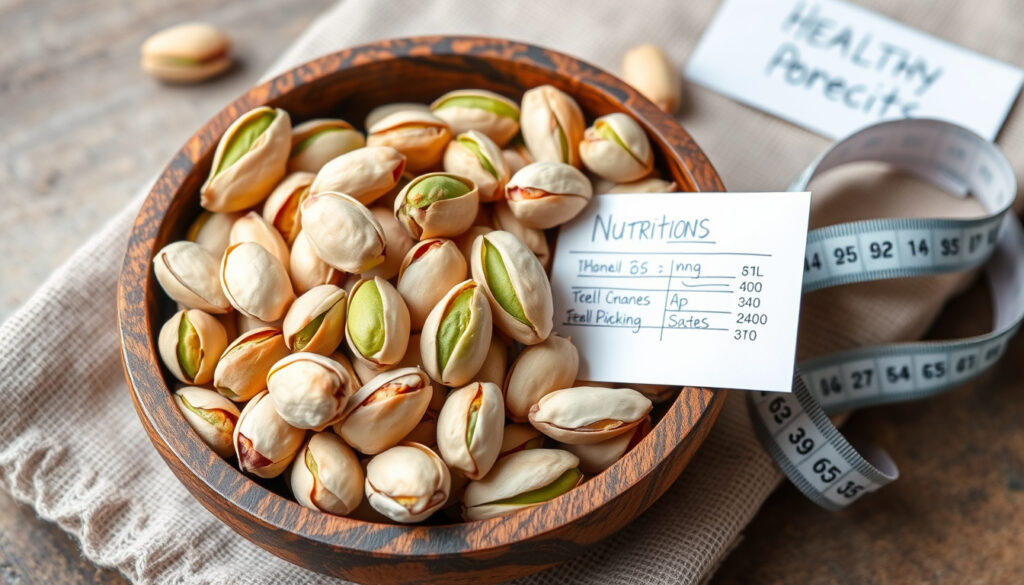
Are Pistachios Good for You – Benefits, Nutrition and Risks
Pistachios have gained a reputation as a nutrient‑packed snack, but the question remains: are they truly good for you? With a growing body of research and a surge in popularity – from pistachio milk to pistachio butter – it’s worth looking at what the science actually says. We’ve analysed evidence from clinical trials, dietary guidelines, and expert sources to give you a clear, fact‑based answer.
Often referred to as a “nutritional powerhouse” by WebMD, these small green kernels deliver a surprisingly dense mix of protein, fibre, healthy fats, and antioxidants. But not all pistachios are created equal: how they are processed – raw, roasted, or salted – can change their health profile. Below we break down the benefits, the risks, and the daily amounts that make sense for most people.
What Are the Main Health Benefits of Eating Pistachios?
Pistachios: Nutrition, Benefits & Risks at a Glance
- Heart Health: Lowers LDL & blood pressure
- Weight Friendly: High protein & fibre, low cal density
- Blood Sugar: Low GI, helps manage glucose
- Antioxidants: Rich in lutein, gamma‑tocopherol
Key Insights
- Pistachios are among the lowest‑calorie nuts per serving while being highest in protein (6 g per ounce).
- The fat profile is ~90 % unsaturated, making them one of the best nuts for heart health.
- Salted and roasted varieties are still nutritious, but roasting can slightly reduce antioxidant levels and salt adds sodium.
- Eating pistachios in‑shell leads to eating fewer calories due to the “pistachio effect” (slower eating).
- Pistachios are one of the few nuts with significant lutein, beneficial for eye health.
Pistachio Nutrition Snapshot (per 1 oz / 28 g shelled)
| Nutrient | Amount |
|---|---|
| Calories | 159 |
| Protein | 5.7 g |
| Fat | 12.8 g (1.5 g saturated) |
| Carbohydrates | 7.7 g |
| Fiber | 3 g |
| Vitamin B6 | 25 % DV |
| Thiamine (B1) | 15 % DV |
| Phosphorus | 14 % DV |
| Copper | 19 % DV |
| Potassium | 291 mg |
Data sourced from Medical News Today, WebMD, Healthline, and Nuts for Life.
Are Pistachios Good for Weight Loss?
At 159 calories per ounce, pistachios are one of the least calorie‑dense nuts. That alone makes them a smarter choice than many other snacks, but the real advantage lies in their composition. With 6 g of protein and 3 g of fibre per serving, they promote satiety and help curb appetite between meals.
A phenomenon known as the “pistachio effect” has been observed in studies: people who eat pistachios still in the shell consume fewer calories overall because the act of shelling slows down eating. Healthline notes that the combination of protein, fibre, and the mechanical break may support weight management without the feeling of deprivation.
A standard serving is 1 oz – about 49 kernels, or a generous handful. Eating them in the shell can naturally limit intake.
That said, pistachios are not a “free food.” Overeating any calorie‑dense nut can lead to weight gain. The key is portion control, which is easier when you buy them unshelled and unsalted.
Are Salted or Roasted Pistachios Still Healthy?
Processing matters. Raw pistachios retain the highest levels of heat‑sensitive nutrients such as vitamin B6 and certain antioxidants. Dry‑roasting at moderate temperatures preserves most of the health benefits, but oil‑roasting adds extra fat and calories. Salted versions can contain up to 200 mg of sodium per ounce, which may be a concern for people with high blood pressure.
According to WebMD, choosing unsalted, dry‑roasted (or raw) pistachios is the healthiest option. The same source points out that roasted nuts still provide the same core nutrients – protein, fibre, unsaturated fats – so they remain a nutritious choice. The difference is marginal for most people, but those watching sodium intake should opt for unsalted varieties.
Raw: maximum nutrients. Dry‑roasted: nearly identical nutrient profile. Salted: adds sodium – choose unsalted for heart health.
Can Pistachios Help Lower Blood Sugar or Cholesterol?
Multiple clinical trials have shown that regular pistachio consumption can improve lipid profiles. A meta‑analysis cited by Nuts for Life found significant reductions in total cholesterol, LDL cholesterol, and triglycerides. The effect is attributed to the high proportion of unsaturated fats, fibre, and plant sterols.
For blood sugar control, pistachios have a low glycemic index (GI). Studies in people with type 2 diabetes, reported by Fastachi and WebMD, indicate that including pistachios in meals reduces post‑meal glucose spikes and improves markers such as fasting insulin and HOMA‑IR. The combination of fibre, healthy fats, and vitamin B6 appears to support healthy glucose metabolism.
While the evidence is encouraging, pistachios are not a substitute for prescribed medication. People with diabetes or high cholesterol should discuss dietary changes with their healthcare provider.
What Is the Nutritional Profile of Pistachios and How Do They Compare to Other Nuts?
Protein Content
Pistachios are second only to almonds in protein content among tree nuts, providing about 6 g per ounce. They contain all nine essential amino acids, making them a higher‑quality plant protein than many other nuts. The PDCAAS (Protein Digestibility Corrected Amino Acid Score) ranges from 73 to 81 %.
Fat Composition
Roughly 90 % of the fat in pistachios is unsaturated – primarily monounsaturated and polyunsaturated. This is similar to almonds and walnuts, but pistachios have slightly more monounsaturated fat, which is particularly beneficial for raising HDL (“good”) cholesterol.
Micronutrient Edge
Pistachios stand out for their vitamin B6 content – 28 % of the Daily Value per ounce – and for being one of the few nuts that contain significant amounts of the antioxidants lutein and zeaxanthin. They also provide copper (41 % DV), manganese, and potassium, the last being comparable to half a banana.
For a deeper look at how pistachios stack up against almonds, walnuts, and other nuts, see our guide Pistachio Nutrition Facts and Health Benefits.
Are There Any Side Effects or Risks of Eating Pistachios?
For most people, pistachios are safe and well‑tolerated in moderation. However, there are a few considerations. WebMD notes that pistachios are tree nuts, so anyone with a tree‑nut allergy must avoid them entirely. The high fibre content can cause digestive discomfort if eaten in large amounts, especially for those not used to a high‑fibre diet.
Pistachios are also moderately high in oxalates, which may contribute to calcium‑oxalate kidney stones in susceptible individuals. People on a low‑FODMAP diet should be aware that pistachios are high in FODMAPs and can cause bloating. Finally, salted varieties add significant sodium – choose unsalted if you have hypertension or are sodium‑sensitive.
In short, the risks are minimal for healthy adults who stick to a serving or two per day. Overeating can lead to weight gain because of the calorie density, but that risk exists with any nut.
How Did Pistachios Earn Their Superfood Status?
The journey of the pistachio from ancient trade routes to modern health headlines is worth tracing. Here are the key milestones:
- ~2000 BC – Pistachios are first cultivated in Central Asia and spread along the Silk Road.
- 1930s – Introduced to California; the US is now the world’s second largest producer.
- 2008 – The FDA approves a qualified health claim stating that pistachios may reduce the risk of heart disease.
- 2015–2020 – Multiple clinical trials confirm LDL‑lowering and blood‑pressure benefits.
- 2024–2026 – Research expands into gut microbiome benefits, eye health, and satiety mechanisms.
The FDA’s decision in 2008 was a turning point, giving pistachios a regulatory stamp of approval that helped fuel consumer interest. Subsequent studies have only strengthened the evidence base.
What Do We Know for Sure About Pistachios, and What’s Still Uncertain?
| Established information | Information that remains unclear |
|---|---|
| Pistachios lower LDL cholesterol in clinical trials (strong evidence). | Exact mechanism for gut microbiome benefits is still under investigation. |
| Pistachios improve blood pressure in hypertensive adults (moderate‑strong evidence). | Long‑term effects on eye health (macular degeneration prevention) need more human trials. |
| Pistachios are a low‑GI food and help regulate post‑meal blood sugar. | Whether organic pistachios offer significantly more benefits than conventional is not conclusively proven. |
| Eating in‑shell pistachios reduces calorie intake (the “pistachio effect”). | Optimal daily intake for specific therapeutic effects (e.g., cholesterol reduction) not precisely standardized. |
The table above separates what is backed by consistent clinical data from areas where research is still emerging. Consumers can feel confident about the core heart‑health, blood‑sugar, and appetite‑control benefits, while keeping an open mind about newer claims.
What Makes Pistachios Different From Other Nuts?
Botanically, pistachios are seeds – drupes, to be precise – and this distinction affects their nutrient profile. They contain more vitamin B6 than most nuts and less omega‑3 than walnuts, but they compensate with higher levels of monounsaturated fat and the antioxidants lutein and zeaxanthin. Their protein quality is also notably high for a plant food.
The recent surge in pistachio popularity, which BBC Food has called a “global pistachio craze” (2025‑2026), is driven by both health research and culinary trends. Pistachio milk, yogurt, and butter are appearing on supermarket shelves, and chefs are using the nut in savoury and sweet dishes alike. Processing methods – dry‑roasted vs. oil‑roasted, salted vs. unsalted, shell‑on vs. shelled – can significantly alter the final health profile, so reading labels is wise.
What Do Health Experts Say About Pistachios?
“Pistachios are rich in fibre, healthy fats and protective antioxidants.”
BBC Good Food / Registered Dietitian
“Studies have shown pistachios can lower LDL cholesterol, improve lipid profiles and reduce blood pressure.”
BBC Food
“Pistachios are rich in various nutrients and may support weight loss, gut health, blood sugar management, and heart health.”
Healthline (Medically Reviewed)
Quotes from authoritative sources underscore the consistency of the message: pistachios are a valuable addition to a balanced diet. For further reading, the American Heart Association and the Academy of Nutrition and Dietetics also endorse nuts, including pistachios, as part of a heart‑healthy eating pattern.
So, Are Pistachios Good for You?
The evidence is clear: yes, pistachios are good for you when consumed in sensible amounts. They support heart health, aid weight management, help control blood sugar, and provide a unique set of antioxidants and micronutrients. Choose unsalted, raw or dry‑roasted varieties for the greatest benefit, and aim for about one ounce per day – roughly 49 kernels. As with any food, balance is key. Our guide Comprehensive Research Summary on Pistachios offers additional context if you want to explore the topic further.
Frequently Asked Questions
Can you eat pistachio shells?
No. Pistachio shells are inedible and can damage teeth and cause digestive issues. They are not digestible by humans.
Are pistachios good for gut health?
Yes. They are a good source of fibre and have prebiotic properties, promoting beneficial gut bacteria.
Do pistachios cause kidney stones?
Pistachios are moderately high in oxalates, so people prone to calcium‑oxalate kidney stones should eat them in moderation.
Are pistachios a complete protein?
No, but they are a high‑quality plant protein. They lack some essential amino acids, so pair them with other protein sources for completeness.
Can dogs eat pistachios?
Only in very small amounts, unsalted and shelled. The shells are a choking hazard and the high fat content can cause pancreatitis in dogs.
More related posts
 Symptoms of Bladder Cancer – Early Signs and When to Act
 Football Today Premier League – Fixtures, Results and Live Scores
 How to Remove Skin Tags – Evidence-Based Guide to Safe Removal
 2024 Land Rover Defender – Prices, Specs and Trims
 First Time Buyer Stamp Duty – UK Rates Guide 2025
 King Spain – Role, Family & History of the Modern Monarchy
 500 Euros in Pounds – Current Rate and Best Providers
 Charlotte Jordan Quits Archers – Exit Reasons and New BBC Drama
