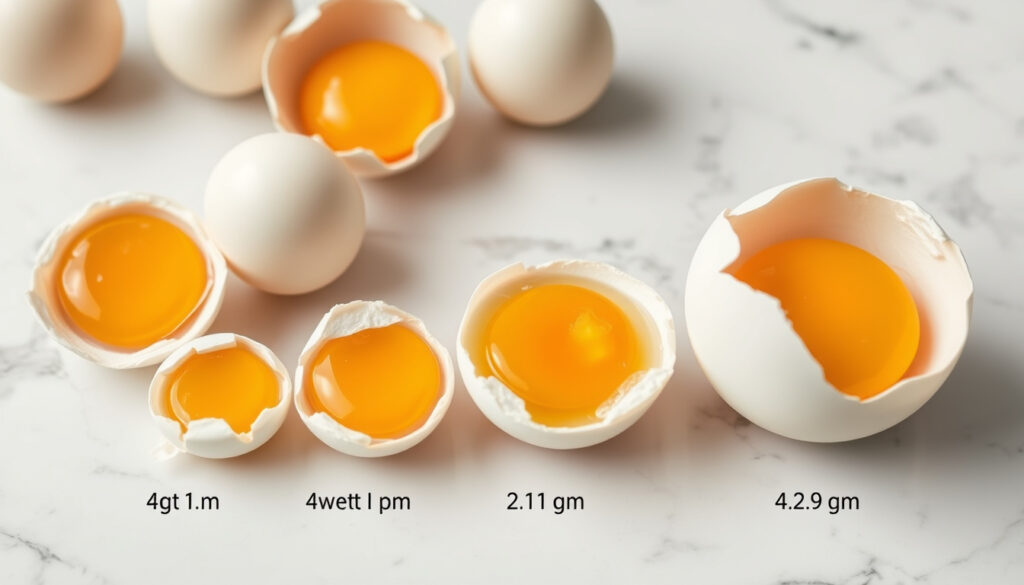
Protein in an Egg – Grams by Size, White vs Yolk
Eggs rank among the most efficient protein sources available in a typical kitchen. Whether scrambled, boiled, or fried, the protein content remains remarkably stable, making eggs a reliable dietary choice for those tracking their nutritional intake. Understanding exactly how much protein an egg provides helps when planning meals around fitness goals or general health needs.
This guide breaks down the protein content across different egg sizes, separates the contributions of the white and yolk, and examines how cooking methods influence protein availability. The information draws primarily from USDA nutritional data and established egg industry sources.
For anyone building a balanced diet that meets daily protein requirements, eggs offer a complete amino acid profile in a compact, accessible form.
How Much Protein Is in One Egg?
A standard large egg, weighing approximately 50 grams, contains between 6.3 and 6.5 grams of total protein according to USDA data. This makes eggs one of the most protein-dense whole foods relative to their caloric content.
Total protein in large egg
From egg white (60%)
From yolk (40%)
PDCAAS quality score
Key Facts About Egg Protein
- Eggs deliver complete protein containing all nine essential amino acids
- Protein bioavailability reaches 94-97%, exceeding most plant-based sources
- The egg white provides the majority of total protein by volume
- Yolk protein concentration per gram actually exceeds that of the white
- Two to three eggs contribute 12-19 grams of high-quality protein
- Protein content scales linearly with egg size
| Egg Size | Weight (g) | Total Protein (g) | White (g) | Yolk (g) |
|---|---|---|---|---|
| Small | 38-48 | 4.8-5.2 | 2.8 | 2.0 |
| Medium | 44-58 | 5.5-6.4 | 3.2 | 2.4-2.8 |
| Large | 50-68 | 6.3-6.5 | 3.6 | 2.4-2.7 |
| Extra Large | 56-68 | 7.0 | 4.1 | 2.9 |
| Jumbo | 63-78 | 7.9-8.0 | 4.6 | 3.4 |
Source: USDA National Nutrient Database
Egg White vs Yolk: Protein Breakdown
The common assumption that the egg white contains all the protein does not reflect the full picture. While the white contributes more total protein by volume, the yolk delivers a concentrated protein punch per gram consumed.
Egg White Protein
The albumen, or egg white, comprises roughly 60% of a large egg’s total protein content at approximately 3.6 grams. This makes it popular among fitness enthusiasts seeking low-calorie, high-protein options. The white contains minimal fat and cholesterol, though it also lacks some nutrients present in the yolk.
Raw egg whites contain avidin, a protein that binds biotin (vitamin B7) and may slightly reduce absorption. However, this does not meaningfully impact overall protein utilization. Cooking deactivates avidin, improving nutrient accessibility.
Egg Yolk Protein
The yolk provides approximately 2.4 to 2.7 grams of protein in a large egg, representing about 40% of the total. Despite its smaller contribution to the overall gram count, the yolk contains a higher protein concentration per gram than the white.
More importantly, consuming the yolk alongside the white creates what nutrition researchers call a nutrient synergy. The fats in the yolk enhance absorption of fat-soluble vitamins and contribute to feelings of satiety.
Protein Content by Egg Size
Egg sizes in the United States are standardized by weight minimums, which directly correlate with protein content. Purchasing decisions based on protein goals become straightforward when understanding these relationships.
Small eggs, typically from younger hens, weigh between 38 and 48 grams and provide 4.8 to 5.2 grams of protein. These work well for children or as ingredients in baking where larger eggs would overwhelm the recipe.
Medium eggs fall in the 44 to 58 gram range with 5.5 to 6.4 grams of protein. This represents the most common size in many grocery stores, though large eggs have become increasingly standard.
Extra-large eggs (56-68g) deliver approximately 7.0 grams of protein, while jumbo eggs weighing 63 to 78 grams provide 7.9 to 8.0 grams. These larger sizes offer convenience for those monitoring protein intake, as fewer eggs achieve similar protein totals.
When a recipe specifies “large” eggs, substituting medium or small eggs will reduce the overall protein content proportionally. Three medium eggs provide roughly comparable protein to two large eggs.
Does Cooking Method Affect Egg Protein?
Heat treatment of eggs does not degrade the protein content in any meaningful way. This finding holds across boiling, frying, poaching, and scrambling methods, according to nutritional research from multiple sources.
Protein Stability During Cooking
Heat denatures egg proteins, changing their structure from coiled shapes into more unfolded forms. This process actually improves digestibility by making amino acids more accessible to digestive enzymes. The body absorbs cooked egg protein more efficiently than raw egg protein.
Comparing Preparation Methods
Boiled eggs retain virtually all their protein content, with soft-boiled and hard-boiled variations showing no significant difference. Fried eggs may absorb small amounts of cooking fat but maintain their protein complement. The minimal impact on nutrition means personal preference can guide preparation choices.
Raw egg consumption presents the only notable difference. The avidin in raw whites binds biotin, though protein absorption remains largely unaffected for most people. Those consuming large quantities of raw eggs regularly might experience minor biotin deficiency over time.
For maximum protein absorption, cooking eggs until the whites are fully set ensures complete protein denaturation. However, the difference between raw and cooked absorption rates remains minimal for practical dietary purposes.
Eggs as a Complete Protein Source
The term “complete protein” refers to foods containing all nine essential amino acids in proportions that support human physiological needs. Eggs meet this criterion, earning the highest possible score on the Protein Digestibility Corrected Amino Acid Score (PDCAAS) scale.
A PDCAAS score of 1.0 indicates that egg protein matches human requirements for all essential amino acids without deficiency or excess. This makes eggs one of the reference proteins against which other sources are measured.
For adults, the recommended daily intake of 50-60 grams of protein can be partially satisfied by incorporating eggs into regular meals. Two to three eggs provide a meaningful contribution at 12 to 19 grams total.
The leucine content in eggs deserves particular attention for those focused on muscle preservation and growth. Leucine triggers muscle protein synthesis, and eggs provide this amino acid in adequate quantities relative to the protein content.
What Science Established About Egg Protein
Decades of nutritional research have built a robust understanding of egg protein. The key findings rest on extensive testing and consistent results across multiple research institutions.
- 1950s: Researchers first quantified the complete amino acid profile of eggs, establishing them as the protein standard
- 1970s-80s: Development of the PDCAAS scoring system placed eggs at the maximum score of 1.0
- 1990s-2000s: Multiple studies confirmed 94-97% digestibility rates for cooked egg protein
- 2010s-present: Ongoing research continues to validate eggs’ role in satiety, muscle synthesis, and balanced nutrition
Established Facts vs Remaining Questions
What We Know With Confidence
- Large eggs contain approximately 6.3-6.5g protein
- Bioavailability exceeds 94% when cooked
- Eggs provide all nine essential amino acids
- Protein content scales predictably with size
- Cooking does not reduce protein quality
Areas Requiring Further Study
- Minor protein variations may exist based on hen diet and housing conditions
- Extremely high-temperature cooking effects remain less studied
- Long-term bioavailability differences between preparation methods
- Individual variation in protein absorption efficiency
Eggs in the Context of Overall Nutrition
Eggs occupy a unique position in dietary planning. They combine high-quality protein with essential micronutrients including vitamin D, choline, selenium, and B vitamins. This nutrient density explains why nutritionists frequently recommend eggs as part of balanced eating patterns.
When compared to other protein sources, eggs offer advantages in convenience and versatility. A properly prepared chicken breast provides more total protein per serving, but eggs deliver comparable quality with greater kitchen flexibility.
Plant-based protein sources like beans and grains can complement egg protein in vegetarian diets, though combining these with eggs typically exceeds what either achieves alone. The Canada’s Food Guide recognizes eggs as a valuable protein option within balanced nutrition.
Sources and Expert Guidance
“Eggs are one of the few foods considered to be a complete protein source, meaning they provide all nine essential amino acids in adequate amounts.”
— Harvard T.H. Chan School of Public Health, The Nutrition Source
The USDA FoodData Central provides standardized nutritional information that forms the foundation for most dietary guidelines involving eggs. Industry organizations including the American Egg Board and British Egg Information Service maintain updated databases reflecting current market offerings.
Summary
A large egg delivers approximately 6.3 to 6.5 grams of protein, with the white contributing 3.6 grams and the yolk adding 2.4 to 2.7 grams. This complete protein source maintains its nutritional value across all common cooking methods, with bioavailability exceeding 94% when properly prepared. Whether consumed whole or separated, eggs provide a reliable protein option that fits various dietary approaches and meal planning strategies.
How many grams of protein are in a single egg?
A large egg contains approximately 6.3-6.5 grams of protein according to USDA data.
Is protein found in the egg white or yolk?
Both parts contain protein. The white provides 3.6g (60% of total), while the yolk provides 2.4-2.7g (40%).
How much protein is in an extra-large egg?
Extra-large eggs weighing 56-68 grams contain approximately 7.0 grams of total protein.
Does frying an egg reduce its protein content?
Cooking methods including frying have minimal impact on egg protein content or quality. Heat improves digestibility.
How many eggs provide a complete protein source?
Even a single egg qualifies as a complete protein source with all nine essential amino acids and a PDCAAS score of 1.0.
What is the protein content of boiled eggs?
Boiled eggs maintain the same protein content as their uncooked counterparts, approximately 6.3-6.5g for large eggs.
How do eggs compare to other protein sources?
Eggs offer superior bioavailability (94-97%) compared to most plant sources and achieve the maximum PDCAAS score of 1.0.
More related posts
 Rachel Reeves Cash ISA Changes – £12,000 Limit from 2027
 Dead Man’s Fingers Rum – UK Prices Flavours and Best Deals
 Puff Daddy – Alive, Incarcerated, and Facing Charges
 Is Liverpool Playing Today – Next FA Cup Match Details
 How Many Calories in a Pint of Guinness – The Surprising Truth
 Picture Framing Near Me – Compare Prices and Local Shops
 Sheffield United vs Bristol City Stats – H2H Record and Analysis
 Kids Week Theatre 2025 – Dates, Shows & Booking Tips
