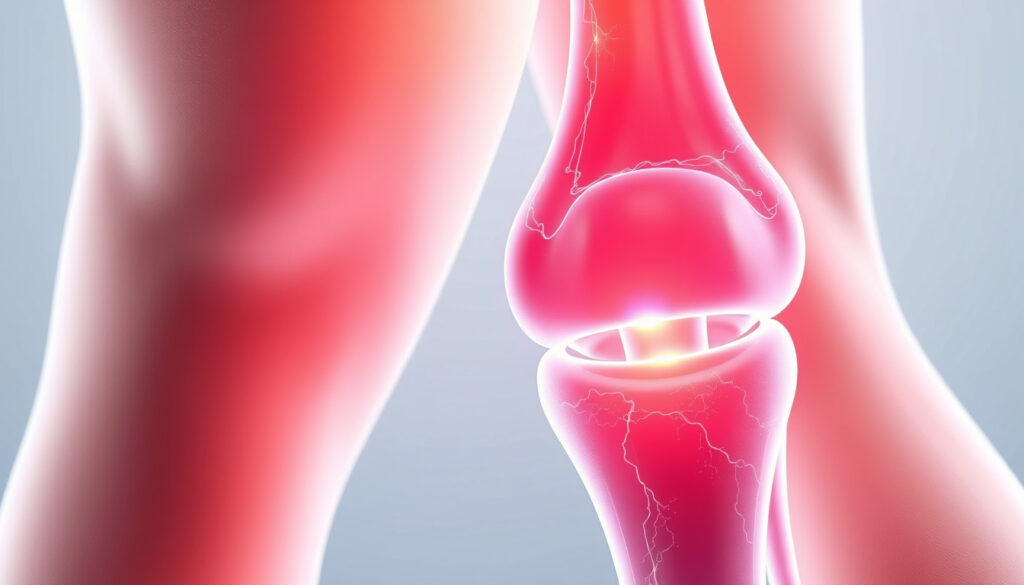
What Does Collagen Do – Roles in Skin, Joints, Bones
What Does Collagen Do in the Body?
Collagen serves as the body’s fundamental structural protein, often described as the “glue” that holds tissues together. As the most abundant protein in the human body, it provides essential support to skin, bones, joints, cartilage, muscles, tendons, ligaments, hair, nails, and the gut lining. Understanding what collagen does and how its production changes over time can help guide decisions about diet, lifestyle, and supplementation.
Research indicates that collagen production naturally declines with age, beginning around the mid-twenties and accelerating after menopause. This decline contributes to common signs of aging, including wrinkles, joint discomfort, and bone density loss. While the body produces collagen endogenously, various factors including age, nutrition, and lifestyle choices can affect both production levels and the body’s ability to maintain adequate collagen stores.
What Is Collagen and What Does It Do?
Collagen is a fibrous protein that forms the structural framework for connective tissues throughout the body. It accounts for approximately 30% of the body’s total protein content, making it the most abundant protein in human physiology. The protein’s unique triple-helix structure provides exceptional tensile strength, allowing tissues to withstand stretching and mechanical stress without tearing.
Structural support and tissue integrity
Skin, joints, bones, cartilage, hair, nails, gut
Age-dependent; declines after age 25
Bone broth, fish, chicken, supplements
Where exactly does collagen exist in the body? It comprises approximately 60% of cartilage, where it provides the framework that cushions joints. In skin, collagen works alongside elastin to maintain elasticity and firmness. The protein also strengthens tendons and ligaments, supports bone density, and plays a critical role in maintaining the gut lining’s microscopic villi and tight junctions that prevent permeability.
Key Insights on Collagen Function
- Collagen accounts for roughly 30% of all body protein and up to 60% of cartilage composition
- The body naturally produces collagen, but synthesis declines approximately 1% annually after age 25
- Vitamin C is essential for collagen synthesis; deficiency impairs production
- At least 16 types of collagen exist in the body, with Types I, II, and III being most significant
- Hydrolyzed collagen peptides, when broken down for absorption, can accumulate in skin and cartilage tissue
- Post-menopausal women experience accelerated collagen loss due to hormonal changes
| Fact | Details | Category |
|---|---|---|
| Most abundant protein | Approximately 30% of body protein content | Function |
| Primary types | Types I through V, with I, II, and III most significant | Classification |
| Cartilage composition | About 60% of cartilage is collagen | Location |
| Age of decline onset | Collagen production begins decreasing around age 25 | Timeline |
| Skin protein share | Type I collagen represents 90% of skin protein | Location |
| Recommended dose for skin | 1–12 grams daily for 4–12 weeks | Supplementation |
| Effective dose for bones | 5 grams daily for 12 months | Supplementation |
| Bone density improvement | Up to 7% BMD increase shown in postmenopausal women | Research finding |
What Are the Main Benefits of Collagen?
The benefits of collagen extend across multiple body systems, though evidence strength varies considerably by area. Research demonstrates the strongest support for collagen’s effects on skin elasticity and joint function, while evidence for hair, nail, and gut health benefits remains more preliminary.
Benefits for Joints and Mobility
Collagen accumulates in cartilage tissue, where it provides the structural framework that cushions joints and absorbs shock during movement. Studies indicate that collagen supplementation may reduce inflammation, decrease pain associated with osteoarthritis, and improve overall mobility and activity levels in individuals experiencing joint discomfort.
Randomized controlled trials demonstrate pain reduction benefits for osteoarthritis and athletic joint strain, though researchers note that more independent studies are needed to confirm optimal dosages and long-term effects.
Benefits for Bone Health
Bone tissue contains significant collagen stores that provide the organic framework upon which mineral crystals deposit. Research involving postmenopausal women found that daily collagen supplementation at 5 grams over 12 months reduced bone breakdown markers and helped preserve bone mineral density compared to calcium and vitamin D supplementation alone. One trial showed up to 7% improvement in bone mineral density under these conditions.
Benefits for Hair and Nails
Collagen supports keratin production, the structural protein that forms hair and nails. Studies report reduced nail breakage and splitting with collagen supplementation, suggesting improved nail strength. Evidence for hair benefits remains limited, with most research unable to confirm significant effects on hair growth or thickness.
Benefits for Gut Health
The gut lining relies on collagen to maintain the integrity of its microscopic villi and tight junctions between cells. These structures prevent “leaky gut” or intestinal permeability, where partially digested compounds may pass through damaged gut lining into the bloodstream. Preliminary research suggests collagen may help reduce gut inflammation and symptoms associated with inflammatory bowel conditions, though evidence remains early-stage.
What Does Collagen Do for Skin?
Collagen is essential for maintaining skin structure, elasticity, and hydration. The protein forms part of the extracellular matrix in the dermis, where it works alongside elastin to provide the skin’s firmness and ability to stretch and return to its original shape. As collagen levels decline with age, skin gradually loses these properties, resulting in the formation of wrinkles, fine lines, and decreased hydration.
A comprehensive review of 26 clinical studies, involving predominantly female participants, found that daily collagen supplementation at doses ranging from 1 to 12 grams over 4 to 12 weeks measurably improved skin elasticity and hydration levels. These findings suggest that collagen peptides, when absorbed into the bloodstream, can accumulate in skin tissue and support the body’s natural renewal processes.
How Collagen Supports Skin Appearance
- Improves skin elasticity and restores youthful firmness
- Enhances hydration by supporting the skin’s moisture retention mechanisms
- Reduces the appearance of fine lines and wrinkles
- Decreases skin dryness and flakiness
- Improves overall skin texture and smoothness
Both oral and topical collagen formulations may benefit skin appearance. Hydrolyzed collagen peptides in supplements break down into smaller molecules that the body can absorb and transport to skin tissue, while topical products may provide localized benefits to the skin’s surface layers.
What Are the Best Sources of Collagen?
Dietary sources of collagen include animal connective tissues, where collagen proteins are most concentrated. Traditional bone broth, made by simmering animal bones, joints, and tendons for extended periods, extracts collagen and gelatin from these tissues into a form that can be consumed through food and beverages.
Food Sources Rich in Collagen
- Bone broth from beef, chicken, or fish
- Fish and seafood, particularly fish skin
- Chicken skin and connective tissue
- Egg whites, which contain proline-rich proteins
Foods That Support Collagen Production
While foods can provide direct collagen, certain nutrients support the body’s own collagen synthesis. Vitamin C is particularly critical, as it serves as a cofactor for the enzymes that build collagen molecules. Foods rich in vitamin C include citrus fruits, berries, tomatoes, and red bell peppers. Amino acids from protein-rich foods also supply the building blocks necessary for collagen production.
Food sources provide collagen in whole protein form, but researchers have not clearly established whether dietary collagen benefits match those demonstrated in supplement studies. The cooking and digestion processes may affect how the body absorbs and utilizes collagen from food sources.
Do Collagen Supplements Work?
Collagen supplements, particularly hydrolyzed collagen peptides, have become widely available as concentrated sources of collagen-specific amino acids. Hydrolyzation breaks down the large collagen protein into smaller peptide chains that the digestive system can absorb more efficiently, allowing these fragments to enter the bloodstream and potentially accumulate in target tissues like skin and cartilage.
Types of Collagen in Supplements
Supplement formulations typically contain one or more collagen types. Type I collagen accounts for approximately 90% of skin, hair, nails, and bone tissue, making it the primary focus for anti-aging and appearance applications. Type II collagen predominates in cartilage and joint tissue, making it the type most relevant for joint health supplements.
Supplement Efficacy Considerations
- Hydrolyzed peptides show better absorption than whole collagen proteins
- Clinical studies support benefits for skin elasticity at 1–12g daily
- Joint pain relief benefits demonstrated in osteoarthritis and athletic populations
- Bone density preservation shown in postmenopausal women at 5g daily
- Evidence for hair, nail, and gut benefits remains limited or preliminary
- Many studies carry potential bias due to industry funding
Collagen supplements are not evaluated or approved by the FDA for therapeutic claims. Products are generally considered safe but vary in quality and potency. Consumers should research manufacturers and look for third-party testing verification when selecting supplements.
When Does Collagen Production Decline?
The body begins reducing collagen synthesis around age 25, with production declining at approximately 1% per year. This gradual decrease continues through adulthood, though the rate of loss accelerates significantly after menopause in women due to hormonal changes that affect connective tissue maintenance.
Age-Related Collagen Timeline
- Birth to early twenties: Peak collagen production and tissue quality
- Age 25–40: Gradual decline begins, approximately 1% loss annually
- Age 40–55: Noticeable signs emerge; skin loses elasticity, joint discomfort may increase
- Post-menopause (typically 50+): Accelerated collagen loss; bone density decline accelerates
- Age 60+: Significant structural changes in skin, joints, and bones become evident
Low vitamin C levels impair collagen synthesis regardless of age, creating a functional deficiency even when production capacity remains intact. Smoking, excessive sun exposure, and chronic inflammation also accelerate collagen degradation in tissues.
What We Know and What Remains Unclear
| Established Information | Information That Remains Unclear |
|---|---|
| Collagen provides essential structural support to skin, bones, joints, and connective tissues | Optimal daily intake amounts remain debated among researchers |
| Production naturally declines with age starting around 25 | Whether food-based collagen provides equivalent benefits to supplements |
| Skin elasticity and hydration improvements are supported by multiple clinical studies | Long-term effects of supplementation beyond 12 months require more research |
| Joint pain reduction benefits documented in osteoarthritis populations | Specific mechanisms by which absorbed peptides reach skin and joint tissues |
| Bone density preservation shown in postmenopausal women at 5g daily for 12 months | Whether benefits extend to younger populations or osteoporosis prevention |
| Vitamin C is essential for endogenous collagen synthesis | Complete efficacy profile for gut health applications |
The Science Behind Collagen
Scientists have identified at least 16 distinct types of collagen in the human body, each serving specialized functions in different tissues. Type I collagen, the most abundant form, comprises approximately 90% of the body’s collagen and predominates in skin, bones, tendons, and connective tissue. Type II collagen forms the primary structural component of cartilage, while Type III collagen supports blood vessels, skin, and internal organs alongside Type I.
The collagen molecule features a distinctive triple-helix structure formed by three protein chains wound around each other. This architecture provides exceptional tensile strength, allowing tissues like tendons to withstand significant pulling forces without tearing. The protein’s stability also contributes to its relatively slow turnover rate in the body, which paradoxically means that declining production gradually compromises tissue integrity over time.
Research from institutions including the Harvard T.H. Chan School of Public Health emphasizes that while collagen supplementation shows promise for certain applications, much of the existing evidence comes from industry-sponsored studies that may carry bias. Independent, large-scale clinical trials remain limited, particularly for applications beyond skin and joint health.
What Research Says About Collagen
Human randomized controlled trials support collagen benefits for skin elasticity, joint pain relief, and bone mineral density in postmenopausal women. However, evidence quality varies significantly by application area, and more independent research is needed to confirm many claimed benefits.
Based on clinical evidence compiled from multiple studies
The most robust evidence supports collagen’s effects on skin appearance and joint function. A review analyzing 26 clinical studies found consistent improvements in skin elasticity and hydration with daily collagen peptide supplementation ranging from 1 to 12 grams over 4 to 12 weeks. These findings have been replicated across multiple independent research groups, strengthening confidence in the results.
Bone health research has produced particularly compelling findings. A 12-month randomized controlled trial involving postmenopausal women demonstrated that combining 5 grams of collagen peptides with calcium and vitamin D supplementation reduced markers of bone breakdown and preserved bone mineral density more effectively than calcium and vitamin D alone. A separate trial showed up to 7% improvement in bone mineral density with consistent collagen supplementation.
Joint health studies show similar promise, with randomized controlled trials demonstrating pain reduction in both osteoarthritis patients and athletic populations experiencing joint discomfort. According to WebMD, good evidence exists for collagen’s effectiveness in skin and joint applications, while evidence for other uses remains preliminary.
How to Support Collagen in Your Body
Supporting the body’s natural collagen production and maintaining adequate collagen levels involves a combination of dietary choices, lifestyle practices, and targeted supplementation when appropriate. The most sustainable approach addresses multiple factors that influence both collagen synthesis and preservation.
Evidence-Based Approaches
- Prioritize vitamin C: Citrus fruits, berries, tomatoes, and red bell peppers provide the nutrient essential for collagen synthesis
- Consume protein-rich foods: Amino acids from meat, fish, eggs, and legumes supply building blocks for collagen production
- Consider hydrolyzed peptide supplements: Doses of 1–12g daily for skin, or 5g daily for bone and joint support, align with clinical study protocols
- Protect skin from UV damage: Sun exposure accelerates collagen breakdown in skin tissue
- Avoid smoking: Tobacco use significantly impairs collagen synthesis and accelerates tissue degradation
- Limit excessive alcohol: Alcohol consumption can interfere with nutrient absorption and collagen production
For those considering supplements, Ashwagandha Benefits for Women discusses how adaptogens may support overall wellness alongside targeted collagen supplementation. Similarly, understanding protein sources like those detailed in Protein in an Egg can help inform dietary choices that support collagen synthesis.
Frequently Asked Questions
What happens if you have low collagen levels?
Low collagen levels, whether from aging or other factors, typically manifest as dry or wrinkled skin, joint pain and stiffness, bone density loss with increased osteoporosis risk, brittle nails, weaker hair, and potential gut lining issues. The body does not develop a classic deficiency disease, but age-related decline causes measurable effects across multiple body systems.
How can I naturally increase collagen production?
Natural approaches to supporting collagen production include consuming vitamin C-rich foods like citrus fruits and berries, eating adequate protein from sources like fish, chicken, and eggs, avoiding smoking, limiting sun exposure, and reducing alcohol intake. These lifestyle factors directly influence the body’s ability to synthesize new collagen tissue.
What are the symptoms of collagen deficiency?
There is no formal collagen deficiency diagnosis, but age-related decline produces recognizable symptoms including visible signs of skin aging like wrinkles and decreased elasticity, joint discomfort, increased bone fragility, nail brittleness, and weakened hair. These symptoms typically emerge gradually after peak production years.
How much collagen should I take daily?
Clinical studies suggest 1–12 grams daily for skin benefits over 4–12 weeks, and approximately 5 grams daily for bone and joint health when taken consistently for 12 months. Dosage may vary based on individual factors and the specific outcomes being targeted.
Which type of collagen is best for joint pain?
Type II collagen is predominantly found in cartilage and is the primary type studied for joint health applications. Hydrolyzed peptide forms of Type II collagen have shown efficacy in reducing osteoarthritis pain and improving joint mobility in clinical trials.
Does cooking destroy collagen in food?
Heat from cooking can denature collagen proteins, but slow-simmered bone broth actually helps extract collagen and gelatin from connective tissues, making these proteins more bioavailable than raw tissue. The extended cooking process breaks down collagen into forms that the body can absorb.
Are collagen supplements safe to take?
Collagen supplements are generally considered safe for most adults when taken at recommended doses. The FDA does not regulate supplements for therapeutic claims, so product quality can vary. Individuals with allergies to specific animal sources should select appropriate formulations.
More related posts
 Charlotte Jordan Quits Archers – Exit Reasons and New BBC Drama
 How Much is a Cup in Grams – Baking Ingredient Weights
 BMW X3 for Sale – UK Prices, Guide & Best Deals 2025
 2024 Land Rover Defender – Prices, Specs and Trims
 Yorkshire Pudding Recipe UK – Foolproof & Traditional Guide
 What Is a Hyphen – Symbol, Uses, Rules and Examples
 Jenna Jameson – Biography, Net Worth and Health Updates 2025
 Denver Nuggets vs Clippers Match Player Stats – 2025 Playoffs Box Scores
